Site Map | Feedback | Help
 
Find a Song more options...
Guidelines from the Church Handbook of Instructions

These instructions can help provide an understanding of principles, policies, and procedures regarding music in the Church.


Importance of Music

Hymns and other appropriate music, whether played or sung, are important in Church meetings, in homes, and in personal lives. In a revelation to the Prophet Joseph Smith, the Lord said, "For my soul delighteth in the song of the heart; yea, the song of the righteous is a prayer unto me, and it shall be answered with a blessing upon their heads" (D&C 25:12).

The First Presidency said:

"Inspirational music is an essential part of our church meetings. The hymns invite the Spirit of the Lord, create a feeling of reverence, unify us as members, and provide a way for us to offer praises to the Lord.

"Some of the greatest sermons are preached by the singing of hymns. Hymns move us to repentance and good works, build testimony and faith, comfort the weary, console the mourning, and inspire us to endure to the end" ( Hymns, page ix).


Music in the Home

Priesthood leaders and music leaders should encourage Church members to use uplifting music in their homes, to have a copy of the hymnbook and the Children's Songbook, and to sing this music as families. Concerning the importance of music in the home, the First Presidency said:

"The hymns can bring families a spirit of beauty and peace and can inspire love and unity among family members. Teach your children to love the hymns. Sing them on the Sabbath, in home evening, during scripture study, at prayer time. Sing as you work, as you play, and as you travel together. Sing hymns as lullabies to build faith and testimony in your young ones" ( Hymns, page x).

Members may use Church–produced recordings to accompany singing and to help them learn the hymns and Primary songs. These recordings are listed in the annual Church Materials Catalog .

Parents should encourage their children to receive instruction in musical skills (see "Music Training," pages 293–94 of the Church Handbook of Instructions, Book 2).

The bishopric could assign sacrament meeting speakers to talk about using music in the home. Occasionally a family could sing a favorite hymn or Primary song as a musical selection in sacrament meeting.


Music in Church Meetings

Appropriate Music for Church Meetings

Stake presidencies and bishoprics determine whether musical selections or instruments are suitable for a particular meeting. Careful selection and proper performance of music can greatly enhance the spirit of worship. Guidelines are provided in the following paragraphs.

The hymns of the Church are the basic music for Latter-day Saint meetings and are standard for all congregational singing. Hymns are also encouraged for prelude and postlude music, choir music, and special selections. If other musical selections are used, they should be in keeping with the spirit of the hymns of the Church. Texts should be doctrinally correct. (See "Hymns for Congregations," Hymns, pages 380–81.)

Music in Church meetings should help members worship, feel the sacred spirit of the Sabbath, and feel the spirit of revelation. This music should not draw attention to itself or be for demonstration. Some religiously oriented music in a popular style is not appropriate for sacrament meetings. Also, much sacred music that is suitable for concerts and recitals is not appropriate for a Latter-day Saint worship service.

Organs and pianos are the standard instruments used in Church meetings. If other instruments are used, their use should be in keeping with the spirit of the meeting. Instruments with a prominent or less worshipful sound, such as most brass and percussion, are not appropriate for sacrament meeting.

Live accompaniment is normally used in sacrament and other ward meetings. If a piano, organ, or accompanist is not available, appropriate recordings may be used. Such recordings are listed in the annual Church Materials Catalog .

Music in Church meetings should usually be sung in the language of the congregation.


Standard Musical Elements in Church Meetings

Prelude and Postlude Music

Quiet prelude and postlude music creates an atmosphere of worship that invites the Spirit into Church meetings. The organist or pianist usually plays hymns or other appropriate music for five to ten minutes before and after a meeting. Playing hymns helps members review gospel teachings in their minds. Occasionally ward or stake choirs may also provide prelude music.

Congregational Singing

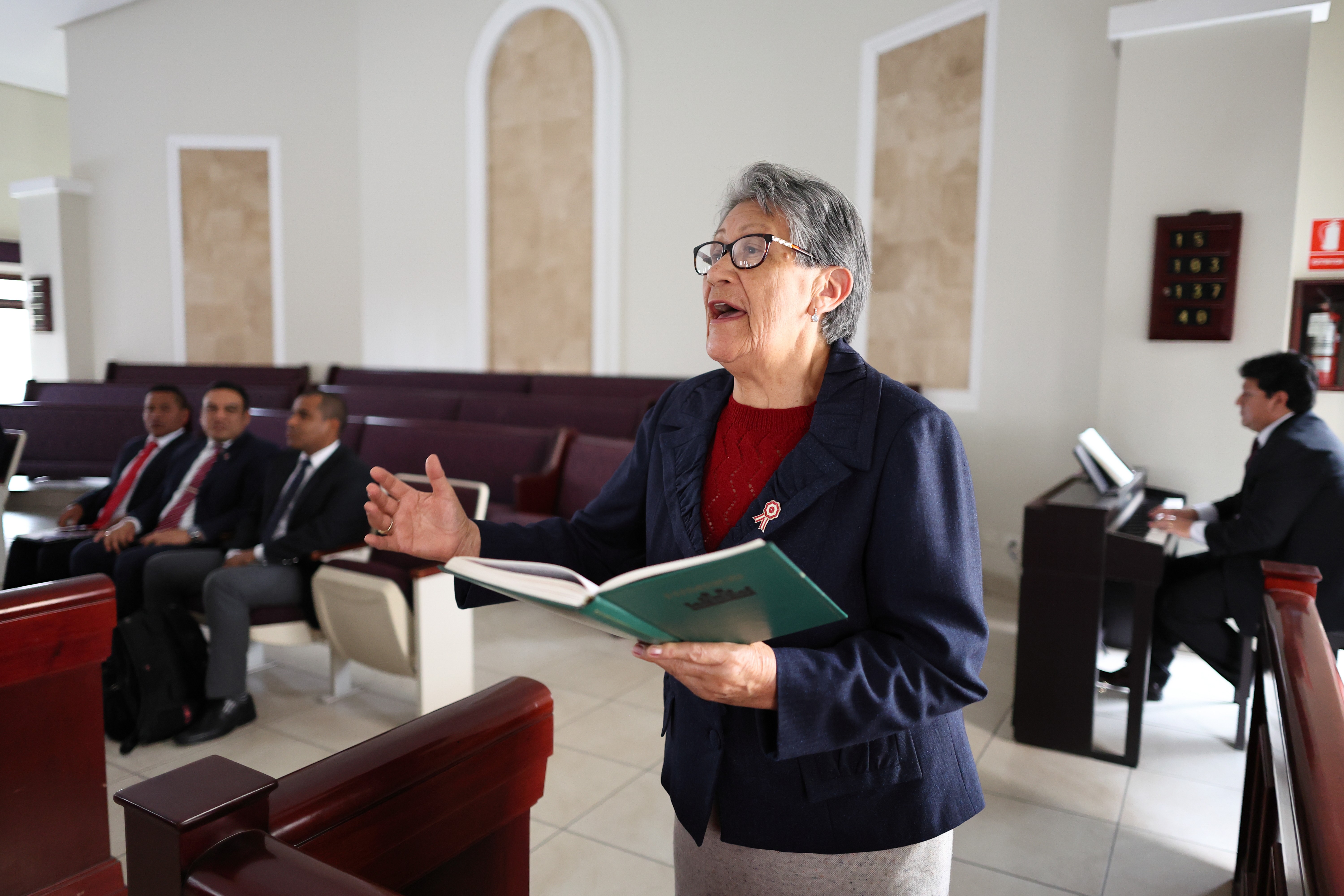
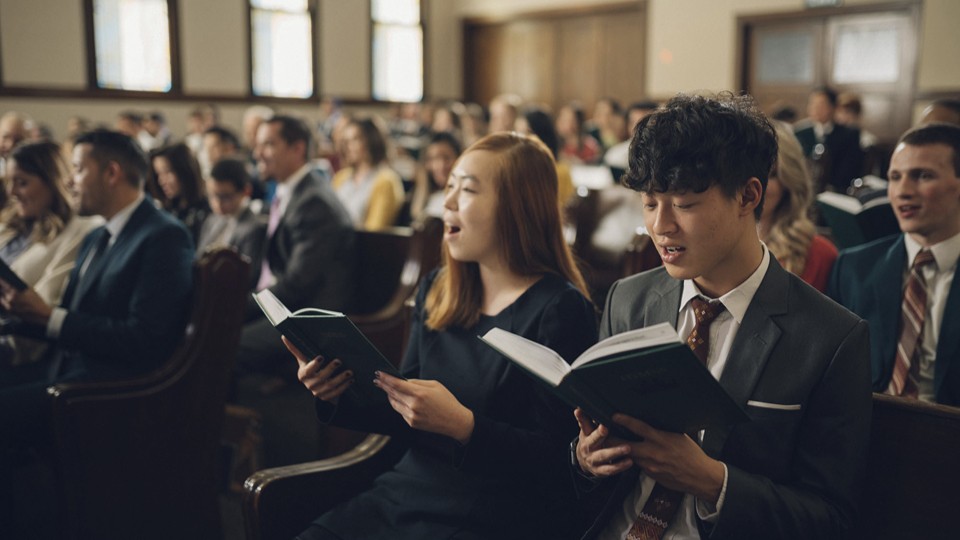
Most Church meetings are enhanced by the singing of hymns. Priesthood leaders and music leaders should encourage all members to participate in congregational singing.

Special Musical Selections

Musical selections that are presented by choirs can contribute greatly to the beauty and spirituality of Church meetings. Selections that are presented by vocal and instrumental soloists and small groups can also enhance Church meetings and can supplement choir music for sacrament meetings. Hymns and other appropriate selections may be used.


Music for Stake Meetings

Under the direction of the stake presidency, the stake music chairman arranges for the music at stake conferences and other stake meetings. The presiding authority at a stake conference reviews all proposed musical selections for the conference early in the planning stage.

Music for the general session of stake conference normally includes four selections. The congregation sings the opening and intermediate hymns. A choir may sing the other two selections, perhaps after the invocation and at the close of the meeting. At least one of the choir's selections should be a Latter-day Saint hymn or hymn arrangement. Choirs may be composed of ward choirs or may be special choirs of children, youth, priesthood holders, Relief Society sisters, or families.


Music for Ward Meetings

Sacrament Meetings

Opening and closing hymns in sacrament meetings are usually sung by the congregation. The sacrament hymn is always sung by the congregation.

Special musical selections or a congregational hymn may be scheduled following the sacrament or between speakers. Such selections may be presented by the ward choir, other choirs, small groups, or individuals. The bishopric decides what music is appropriate.

If a musical program is presented, it should be simple, reverent, and short enough to allow a spoken message. Sacrament meetings should not be turned over to outside musical groups. Recitals, concerts, and pageantry are not appropriate in sacrament meeting.

The ward choir should sing in sacrament meeting at least once or twice a month.

Priesthood and Auxiliary Meetings

The bishopric oversees music in ward priesthood meetings. Relief Society, Young Women, and Primary leaders oversee music in their organizations' meetings (for more information, see the section for each organization).


Music for Special Meetings

Baptisms

Music for baptismal services may include prelude music, an opening hymn, a special musical selection, interlude music or hymn singing while participants dress, a closing hymn, and postlude music. Well-known hymns and Primary songs are most appropriate.

Weddings

Music for a wedding ceremony that is held in a home or Church building might include prelude music, hymns, special musical selections, and postlude music. When a wedding ceremony is held in a Church building, a wedding march is not appropriate.

Funerals

Music for funerals might include prelude music, an opening hymn, special musical selections, a closing hymn, and postlude music. Simple hymns and other songs with gospel messages are most appropriate for these occasions. Opening and closing hymns are usually sung by the congregation.

Activities

When stakes, wards, quorums, or auxiliaries plan activities that will include music, they can get help from the stake or ward music chairman and from the stake or ward activities music specialists. These music leaders may be asked to organize or recommend music for road shows, cultural arts evenings, dances, choral groups, and other programs. These music leaders also may work with youth leaders to recommend meaningful music activities for youth.

Some cultural and recreational music may be presented in the chapel on weekdays. Often, however, the cultural hall is a more appropriate setting for such music. Local priesthood leaders resolve questions about what music is appropriate for the chapel. Applause is usually not appropriate in the chapel.

For information about calling activities music specialists, see page 273 in the "Activities" section of the Church Handbook of Instructions, Book 2.


Choirs

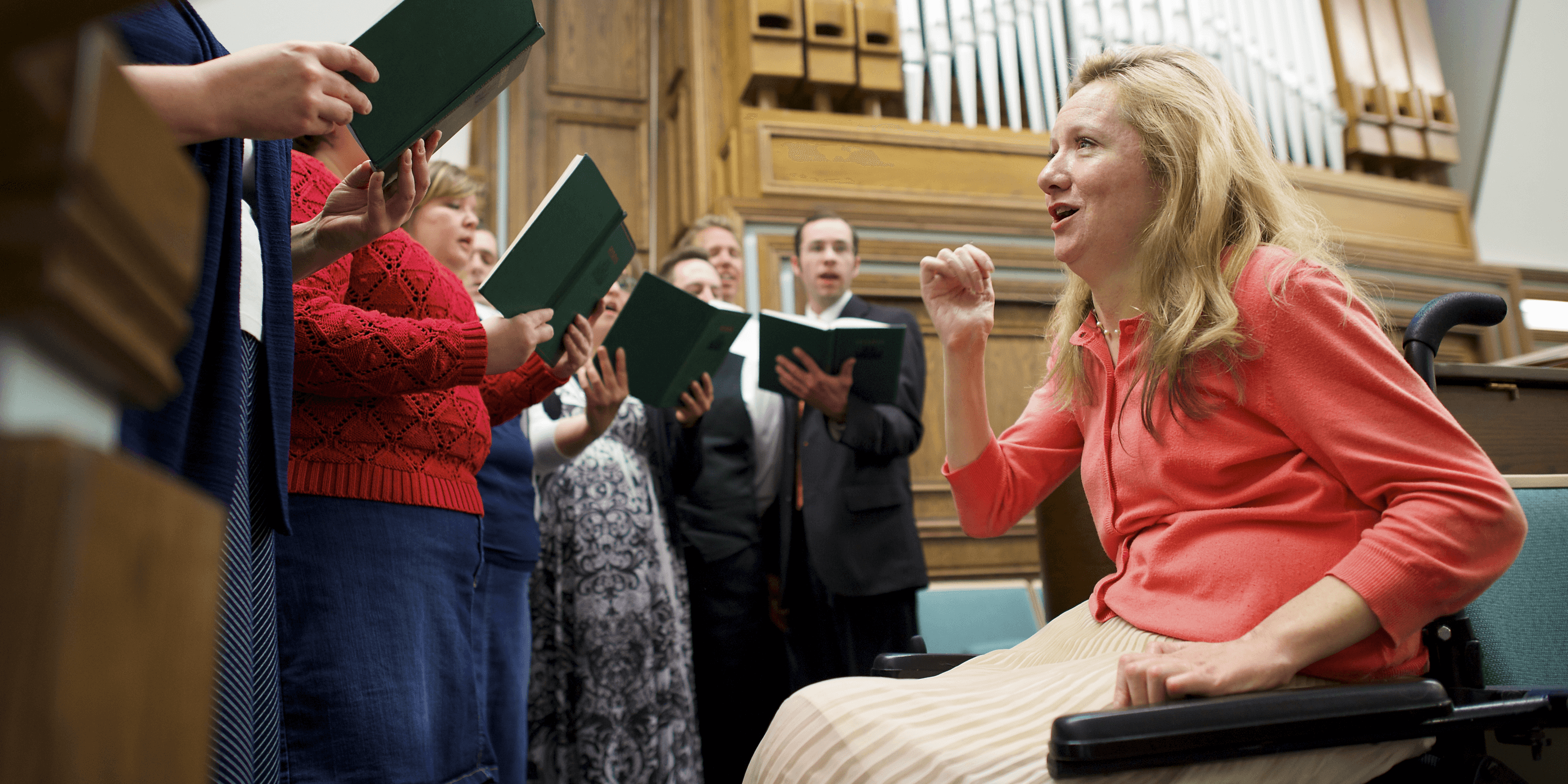
Ward choirs and other special choirs can teach and inspire Church members. Choirs are encouraged to use the hymnbook as their basic resource because the hymns teach the truths of the restored gospel. Hymn arrangements and other appropriate choral works may also be used. (See "Appropriate Music for Church Meetings," page 289 in the Church Handbook of Instructions, Book 2.)

Information about using the hymns for choirs is also provided in Hymns, pages 381–83. Additional information about conducting choirs is in the Conducting Course manual, pages 73–83.

Auditions are not usually conducted when organizing Church choirs.


Ward Choirs

Every ward should have an active ward choir. Priesthood leaders establish a time for choir rehearsals that is free from scheduling conflicts. Rehearsals usually do not exceed one hour.

The ward choir should sing in sacrament meeting at least once or twice a month. Choirs can be used to help members become more familiar with the hymns and to introduce them to lesser-known hymns.


Other Choirs

In addition to the ward choir, other choirs from the ward, including Relief Society, priesthood, youth, children's, and family choirs, may be invited to sing hymns and other appropriate musical selections in Church meetings.


Stake and Multistake Choirs

Stake and multistake choirs may be organized with priesthood leaders' approval for stake and regional conferences and for other occasions such as community events. After the performance, the choir is disbanded until other occasions arise. These choirs should not interfere with members' participation in ward choirs.


Stake Music Leadership

Stake Presidency

The stake presidency oversees stake music.


Stake Music Adviser

The stake presidency appoints a high councilor to be the stake music adviser. Under the presidency's direction, he supervises the music program in the stake. He also advises the stake music chairman.

He communicates information between the stake presidency and the stake music chairman. He also represents the music program in stake council meetings. He may present proposals for stake music training, stake music programs, and music for stake meetings to the stake presidency for approval.

With the stake presidency's approval, the stake music adviser may issue callings for members to serve in stake music positions.


Stake Music Chairman

A member of the stake presidency or an assigned high councilor calls and sets apart a stake music chairman. A man or woman may serve in this calling. The stake music adviser may recommend whom to call.

Under the direction of the stake presidency, the stake music chairman has the following responsibilities:

  • Serve as a resource to the stake presidency on music matters.
  • Schedule music and musicians for stake conference sessions, stake general priesthood meetings, stake priesthood leadership meetings, and other stake meetings and events as directed.
  • Assist ward music chairmen by meeting with them at ward conference time or by communicating at other times as needed.
  • Serve as a resource to stake auxiliary leaders in providing music training and meeting other music needs as requested.
  • Recommend and supervise music training programs in the stake.
  • Recommend and implement stake music programs.
  • Recommend music specialists for stake music programs, activities, and training.


Stake Music Specialists

A member of the stake presidency or an assigned high councilor may call stake music specialists. The stake music chairman may recommend whom to call. Under the direction of the stake presidency, these specialists may be assigned to provide music for a particular stake meeting every time that meeting occurs. They also may be assigned to provide music training in the stake (see pages 293–94 of the Church Handbook of Instructions, Book 2).


Stake Activities Music Specialist

See page 273 in the "Activities" section of the Church Handbook of Instructions, Book 2.


Stake Primary Music Leader

See page 230 in the "Primary" section of the Church Handbook of Instructions, Book 2.


Ward Music Leadership

Bishopric

The bishopric oversees ward music.


Ward Music Adviser

The ward music adviser is a member of the bishopric. He coordinates music in the ward and oversees the ward music chairman. He recommends members to serve in ward music positions, counseling with the ward music chairman as needed.

The ward music adviser communicates information between the bishopric and the ward music chairman. He also represents the music program in ward leadership meetings. He may present proposals for ward music training and ward music programs to the bishopric for approval.


Ward Music Chairman

A member of the bishopric calls and sets apart a ward music chairman. A man or woman may serve in this calling.

Under the direction of the ward music adviser, the ward music chairman has the following responsibilities:

  • Serve as a resource to the bishopric on music matters.
  • Arrange for effective, appropriate music in sacrament meetings and other ward meetings. This includes obtaining a schedule of future sacrament meeting topics from the ward music adviser, overseeing the ward music director in selecting hymns that correlate with the topics, and giving the recommendations to the ward music adviser for approval. The chairman may follow a similar process for other ward meetings as needed. He or she also arranges for the performance of special musical selections in sacrament meetings and other ward meetings and events.
  • Serve as a resource to ward auxiliary leaders in providing music training and meeting other music needs as requested.
  • Recommend and supervise music training programs in the ward.
  • Recommend and implement ward music programs.
  • Recommend members to fill ward music positions as requested by the ward music adviser. Supervise the ward music staff in their responsibilities.
  • Meet or communicate with the stake music chairman as needed to obtain help and direction in these responsibilities.


Ward Music Director

A member of the bishopric calls and sets apart a ward music director. Under the direction of the ward music chairman, the music director recommends and conducts the congregational hymns for sacrament meetings and for other ward meetings as requested. To recommend hymns for sacrament meetings, the music director obtains a schedule of future topics from the ward music chairman, selects hymns that correlate with the topics, consults with the organist, and gives the recommendations to the ward music chairman to obtain the bishopric's approval.


Ward Organist or Pianist

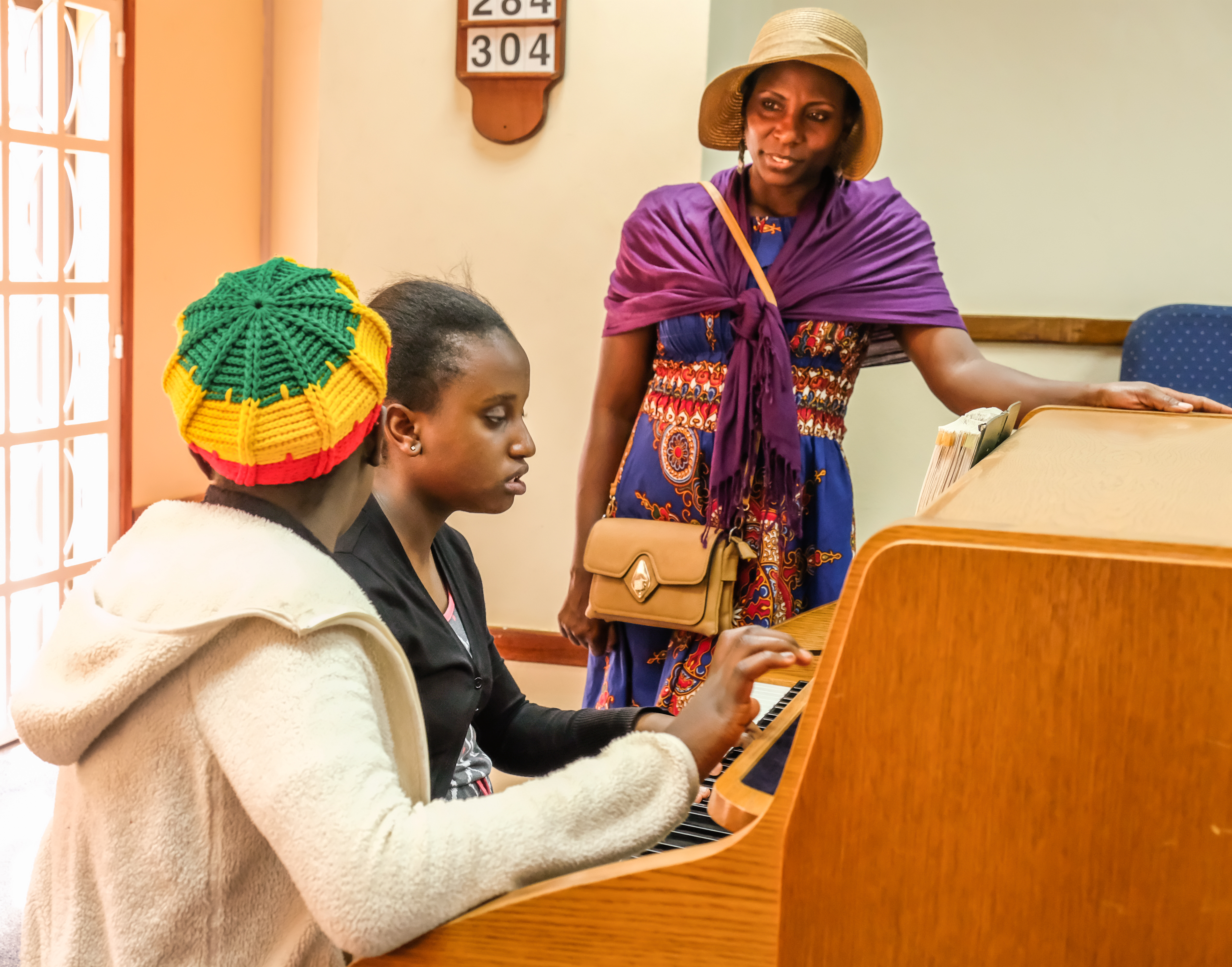
A member of the bishopric calls and sets apart a ward organist or pianist to provide prelude and postlude music and accompaniment for hymns at sacrament meeting and other ward meetings as requested.


Ward Choir Director

A member of the bishopric calls and sets apart a ward choir director. The choir director recommends music to be sung by the choir, coordinating with the ward music chairman. The director also rehearses the choir and conducts choir performances.


Ward Choir Accompanist

A member of the bishopric calls and sets apart a ward choir accompanist. He or she accompanies choir rehearsals and performances.


Ward Choir Officers

The bishopric may call a ward choir president. He or she sees that choir members are encouraged to attend rehearsals and performances. The president also arranges for prayers and conducts choir business.

As needed and with the bishopric's approval, the ward choir director or president may appoint choir members to the positions of choir secretary, librarian, and section leaders.

The secretary records choir attendance and helps the president encourage choir members to attend.

The librarian works with the choir director and meetinghouse library staff to obtain, store, and return the music used by the choir.

Section leaders help the choir director rehearse sections of the choir and encourage attendance.


Ward Choir Members

Ward members may participate voluntarily in the ward choir, or the bishopric may invite or call them to participate. Choir members should be dependable in attending rehearsals and performances and contribute to the success of the choir.


Priesthood Music Director and Pianist or Organist

A member of the bishopric calls and sets apart a priesthood music director and a priesthood pianist or organist.

Under the direction of the bishopric, the music director recommends and conducts the hymns for the opening exercises of priesthood meetings. He consults with the pianist or organist in making these selections.

The pianist or organist provides prelude and postlude music and accompaniment for hymns in the opening exercises of priesthood meetings.


Ward Activities Music Specialist

See page 273 in the "Activities" section of the Church Handbook of Instructions, Book 2.


Ward Auxiliary Music Directors and Pianists

See page 198 in the "Relief Society" section, page 218 in the "Young Women" section, and page 232 in the "Primary" section of the Church Handbook of Instructions, Book 2.


Music Training

Organizing Music Training Programs

With the approval of priesthood leaders, stake and ward music chairmen may arrange for music training courses, seminars, and workshops. They may recommend to priesthood leaders the names of qualified instructors who could provide this training. Training may also be provided to individuals as needed. No fee is charged for Church-sponsored training.

Music training programs may be provided for those who are currently serving in music positions and those who may serve in the future. Participants could include stake and ward music directors, choir directors, pianists, and organists. Groups of other interested youth or adults, including prospective missionaries, could also participate.

Ward music chairmen should help find opportunities for developing musicians to use their talents.


Providing Regular Music Training

Stake and ward music chairmen could establish a schedule of regular music training. An annual pattern of training could include ward conducting courses, training for choir directors, ward keyboard courses, and stake or ward organ training courses.

Subjects of instruction could include organizing the music program, improving congregational singing, strengthening ward choirs, and making sure that music in Church meetings is appropriate. Other subjects could include encouraging members to use music in their homes, identifying members who have musical talent, providing training programs, and working with activities music directors or cultural arts directors to plan music activities.

The Basic Music Course can be used in music training. It helps members learn to conduct hymns, play them on the piano, and teach conducting and keyboard skills to others. The course has two parts: the Conducting Course and the Keyboard Course. The Conducting Course should be completed first. The Music Training videocassette can also be used in training sessions, in auxiliary meetings, and in the home to introduce members to conducting skills.

The stake music chairman organizes training for choir directors. If a stake specialist is not available to provide this training, ward choir directors could meet together to exchange ideas, or the stake presidency could request help from outside the stake. The Conducting Course manual, pages 73–83, provides basic instruction for organizing and conducting choirs.

When there is no reasonable alternative, priesthood leaders may authorize the use of meetinghouse pianos and organs for practice, paid private instruction, and recitals involving members of the units that use the meetinghouse. No admittance fee should be charged for recitals.


Obtaining and Using Music

An initial supply of hymnbooks is provided to new meetinghouses. Additional hymnbooks, choral music, and other music should be purchased with stake or ward budget allowance funds. Priesthood leaders may invite stake and ward music chairmen to submit annual budgets for this music. Music that is purchased with stake or ward budget allowance funds is usually kept in the meetinghouse library and belongs to all units that share the library. The stake or ward music chairman may help librarians create an index of this music.


Copyright Guidelines

Church members should strictly observe all copyright laws. Only copyright owners may authorize duplication (copying) of their work. Duplicating printed or recorded music without authorization from the copyright owner is illegal and dishonest. Stakes and wards must not use music that has been illegally duplicated.

Music in Church publications such as Hymns and the Children's Songbook may be copied for noncommercial Church or home use if it (1) bears a copyright notice indicating that it is owned by the Church or Intellectual Reserve, Inc. (IRI) or (2) includes instructions that allow such duplication. Each copy should include any existing copyright notice.

Music that is not owned by the Church or IRI may not be copied unless the copyright owner has given permission, the copyright notice states that the work may be duplicated, or the work is in the public domain (the copyright has expired).

For additional information on copyrights, see pages 322–24 in the "Selected Church Policies" section of the Church Handbook of Instructions, Book 2.


Pianos, Organs, and Keyboards

Guidelines for Use

If an organ is available, it is normally used for prelude and postlude music and hymn accompaniment. The piano may be used for these purposes when an organ is not available.

Using the piano and organ at the same time is not standard for Church meetings, but these instruments may be used together occasionally, especially for selections written with both piano and organ parts.

A portable electronic music keyboard may be used when a piano or organ is not available.


Obtaining Musical Instruments

Church buildings are usually supplied with an organ, pianos, or electronic music keyboards. Priesthood leaders may consult the Purchasing Division at Church headquarters or the area administration office for information about acquiring new or replacement instruments.

Maintaining Musical Instruments

The agent bishop for the building and the stake physical facilities representative (a high councilor) are to see that pianos and organs are tuned, maintained, and repaired as needed.